
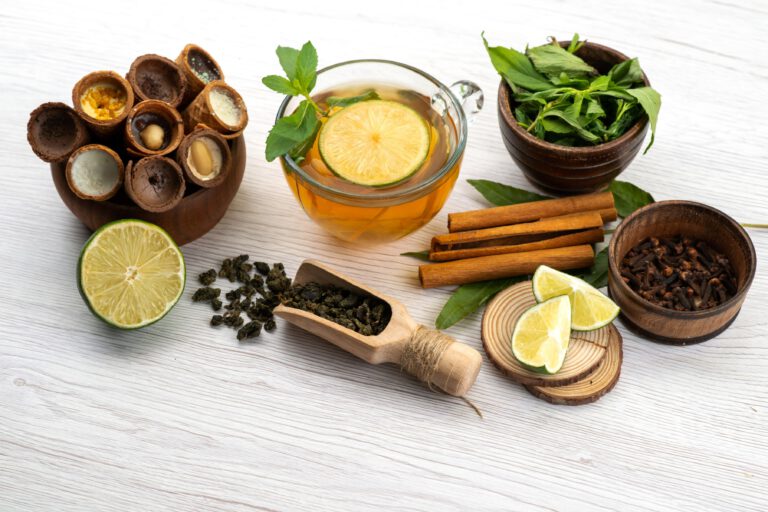
Introduction – Why Ayurveda is becoming increasingly popular for diabetes
Diabetes mellitus, especially type 2 diabetes, is one of the most common chronic diseases in Germany. More and more sufferers are seeking gentle, low-side-effect alternatives to conventional medicine. This is precisely where the millennia-old Indian healing art comes in: Diabetes Ayurveda combines specific herbs, dietary changes, exercise, and detoxification to regulate blood sugar levels naturally and sustainably. In recent years, it has been shown that a targeted Diabetes Ayurveda treatment can not only lower HbA1c levels but in many cases even reduce medication dosages or – if started early – partially prevent type 2 diabetes.
In Germany, we’re experiencing a real boom: High-quality Ayurvedic treatments Germany, with authentic Indian doctors and herbs, makes it possible to experience this intensive form of therapy right on your doorstep, without the stress of a long flight with jet lag and a strenuous change in climate. This article introduces you to the most effective Ayurvedic herbs – including precise dosages, scientific studies, and practical application tips.
The 10 most important Ayurvedic herbs for diabetes
- Bitter melon – Karela (Momordica charantia) This fruit, often called “plant insulin,” has been shown to lower fasting blood sugar and improve insulin sensitivity. Dosage: 50–100 ml of fresh karela juice on an empty stomach in the morning or 2–3 g of karela powder daily. Studies (e.g., Journal of Ethnopharmacology) show a reduction in HbA1c of up to 0.8% after 8–12 weeks.
- Gurmar – Gymnema sylvestre. The name literally means “sugar destroyer.” Gymnema temporarily blocks sugar receptors on the tongue and reduces cravings. At the same time, it stimulates the regeneration of beta cells in the pancreas. Dosage: 400–600 mg of standardized extract (25% gymnemic acid) daily. Clinical studies demonstrate a reduction in blood sugar of 20–30%.
- Amla – Indian gooseberry. Rich in vitamin C and polyphenols, amla inhibits glycation and protects blood vessels from diabetic complications. Dosage: 1–3 g amla powder or 20–30 ml fresh amla juice daily.
- Methi – Fenugreek. The soluble fiber slows down sugar absorption, while the triglycerides it contains simultaneously lower cholesterol and triglycerides. Dosage: 5–10 g soaked fenugreek seeds on an empty stomach in the morning or 2–5 g powder.
- Vijayasar – Pterocarpus marsupium The heartwood of this tree is traditionally used as a “diabetes drinking cup”. Modern studies confirm strong pancreatic regeneration. Dosage: 3–6 g of resin powder or drink daily from a Vijayasar cup.
- Jamun – Syzygium cumini kernels and pulp lower blood sugar and improve insulin sensitivity. Dosage: 3–6 g kernel powder daily.
- Neem has anti-inflammatory properties and protects the kidneys and liver – vital organs in long-term diabetes. Dosage: 2–4 g neem leaf powder or 5–10 ml neem juice.
- Haridra – Turmeric + black pepper. Curcumin improves insulin resistance and protects against diabetic complications. Dosage: 1–2 g turmeric with a pinch of pepper daily.
- Dalchini – Ceylon cinnamon lowers fasting blood sugar and improves lipid metabolism values. Dosage: 1–3 g Ceylon cinnamon daily (no cassia cinnamon because of coumarin!).
- Triphala: The combination of Amla, Haritaki, and Bibhitaki gently detoxifies and improves intestinal health – a basic requirement for stable blood sugar levels.
Why herbs alone are not enough – The holistic Diabetes Ayurveda treatment
The herbs mentioned above only unfold their full effect in combination with:
- Adosha-appropriate, low-carbohydrate, but high-fiber diet
- Daily exercise (yoga, brisk walking)
- Stress management (meditation, pranayama)
- ideally a deep detoxification through the well-known Ayurvedic detoxification, the Panchakarma treatment, for 2-3 weeks in a qualified center that is under the direction of Indian doctors and monitors the course of treatment daily.
Especially the Panchakarma therapies Virechana (gentle purgation) and Basti (medicinal enemas with special diabetes oils) remove Ama (toxins) from the tissue and sustainably improve insulin sensitivity.
Ayurveda in Germany – Professional Diabetes Treatment on-site
Those wishing to undertake an intensive diabetes Ayurveda treatment will find
numerous reputable centers in Germany now offering treatments with Indian doctors and trained therapists, authentic herbal preparations, and modern laboratory testing. A typical treatment lasts 14–28 days and combines herbal therapy, Panchakarma, yoga, and dietary changes – all under constant medical supervision.
- How long does it take to see results with Ayurvedic diabetes treatment?
The first improvements (less fatigue, more stable blood sugar levels) usually appear after 2–4 weeks. A significant reduction in HbA1c of 0.8–2.0% is realistic after 3–6 months of consistent therapy.
- What is the difference between Ayurvedic and modern diabetes treatment?
Conventional medicine primarily treats the symptom (high blood sugar) with medication. Ayurveda treats the causes: insulin resistance, inflammation, ama accumulation, impaired digestive fire (agni), and dosha imbalances – holistically.
- What are the advantages of choosing Ayurveda for people with diabetes?
- No risk of hypoglycemia (low blood sugar)
- Protection against long-term damage (nerves, eyes, kidneys)
- Weight loss without the yo-yo effect
- Improved quality of life and energy
- Possible reduction or discontinuation of medication (only under medical supervision!)
- How effective is Ayurveda in naturally reversing type 2 diabetes? In newly diagnosed type 2 diabetes (less than 5 years old) and a BMI < 30, it is possible in 40–60% of cases to bring the disease into remission – that is, to achieve normal blood sugar levels without medication.
- Can Ayurveda reduce dependence on insulin and tablets? Yes – in many documented cases, the insulin dose could be reduced by 30–70%, and tablets could often be discontinued completely. However, this always happens gradually and only in close cooperation with the diabetologist.
FAQ – Your questions, our answers
- Can Ayurveda also help patients who have had uncontrolled blood sugar for many years? Yes. Even in cases of long-term diabetes, long-term complications (neuropathy, retinopathy) improve, quality of life increases, and the medication dosage can usually be reduced.
- Can Ayurveda naturally reduce the insulin or tablet dose? Yes – with regular blood sugar monitoring and in consultation with the treating physician, this is possible in most cases.
- Does Ayurveda treat both type 1 and type 2 diabetes? Type 2 diabetes responds significantly better. In type 1 diabetes, Ayurveda can improve insulin sensitivity and prevent long-term complications, but it does not replace insulin.
- What are the best Ayurvedic preparations for high blood sugar? Proven combinations include:
- Diabecon (Himalayas)
- Madhunashini Vati (Divya)
- BGR-34 (AIMIL)
- Hyponidd (Charak) Only take after consulting an Ayurvedic doctor!
- Are there any side effects from Ayurvedic diabetes treatment? With correct dosage and expert guidance, side effects are extremely rare. Possible initial symptoms such as mild nausea or loose stools disappear after a few days and simply indicate detoxification.
Conclusion – Your next step
The combination of the right Ayurvedic herbs, a diet tailored to your type, and a professional diabetes Ayurveda treatment offers one of the most effective and lowest-side-effect ways to naturally control type 2 diabetes – and in many cases even reverse it.
If you are ready to actively do something for your health and at the same time benefit from the millennia-old wisdom of Ayurveda, then now is the perfect time. In Germany, you have access to highly trained Ayurvedic doctors and modern clinics – for a diabetes Ayurveda treatment that truly makes a difference.